Portal Vera Sinha
Compartilhando culturas!


Portal Vera Sinha - Logo_Kwara
Image

Project TINCULT

Title: TINCULT - Investigating Time and Number in Cultures and Languages

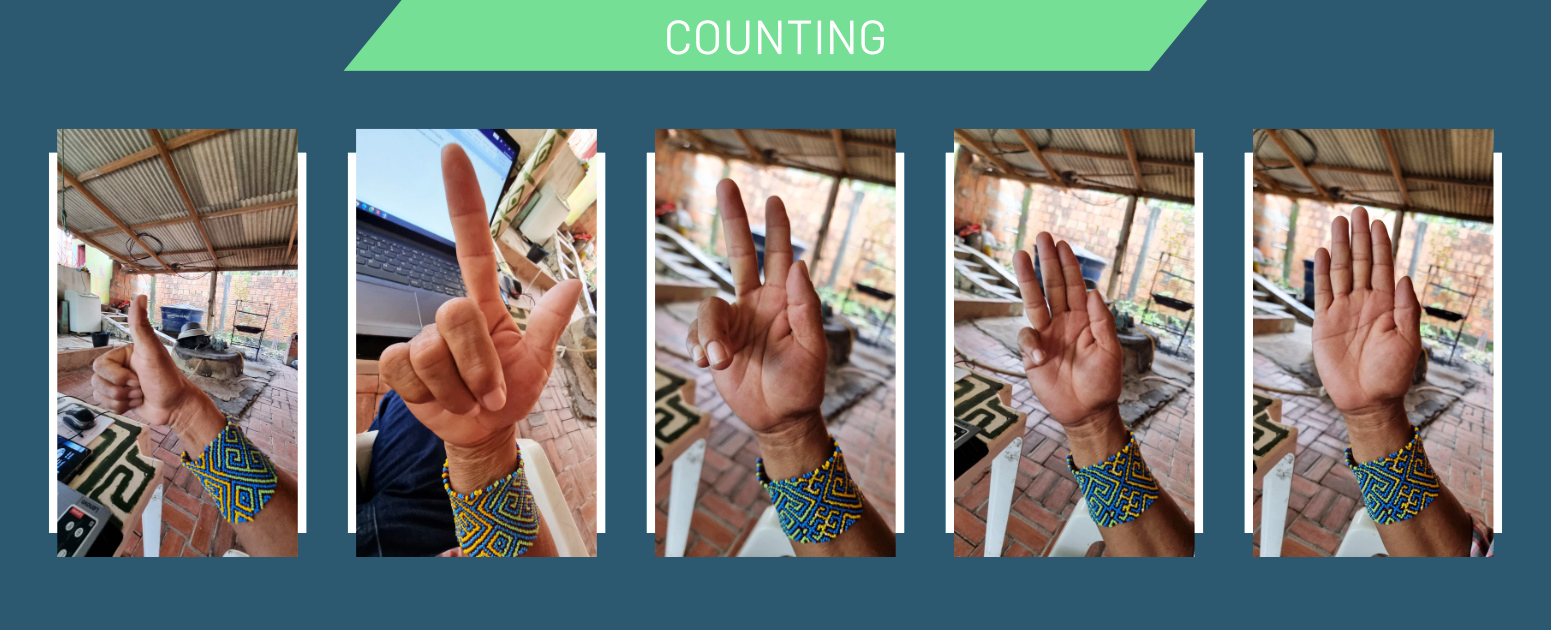
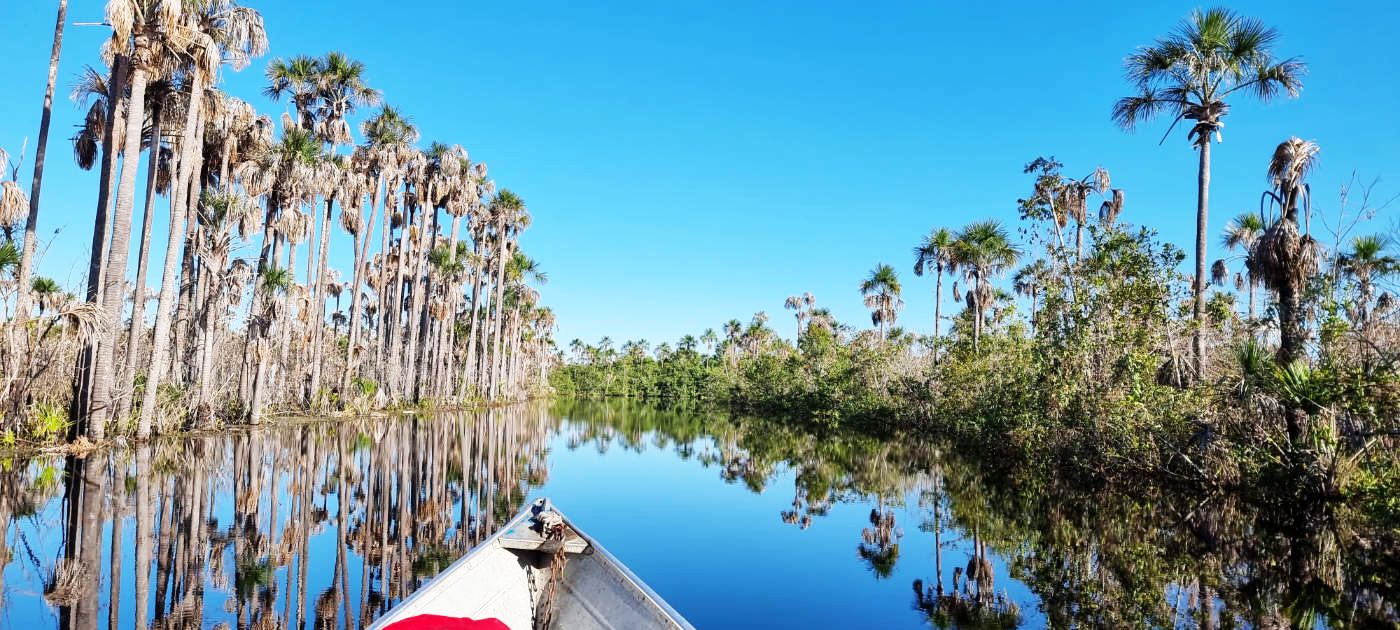
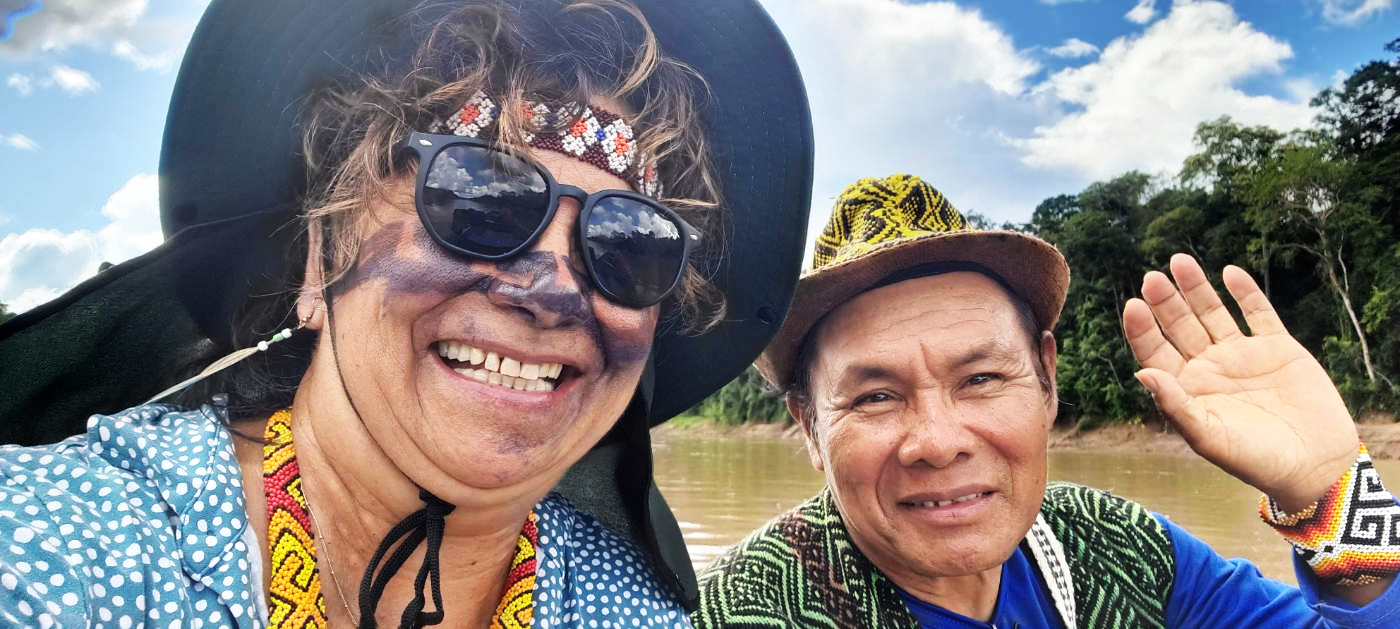
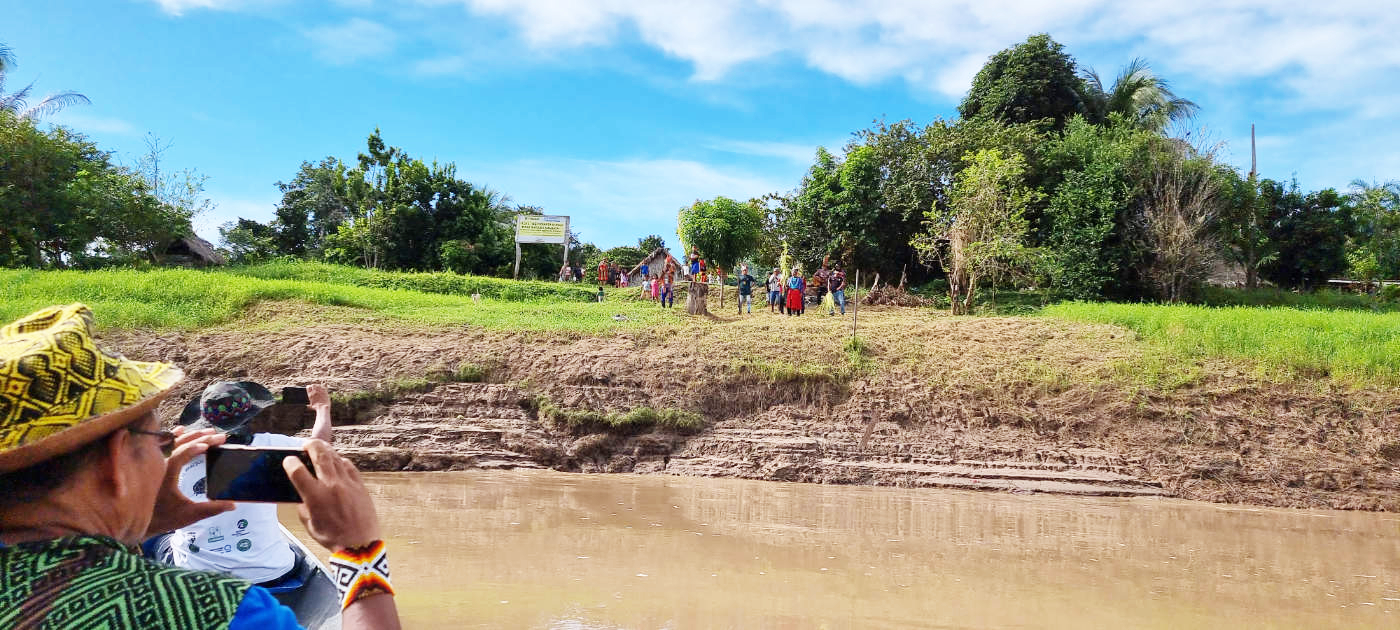
  • Short Description: TINCULT is a research project funded by the Marie Skłodowska-Curie Actions (MSCA) to study the relationship between time and number in language, cognition, and culture in indigenous Brazilian communities. We explore how these concepts are culturally and linguistically configured, with a special focus on small-scale, traditional societies.
  • Objectives:
    • To document and analyze cultural and linguistic variability in time and number systems.
    • To investigate the cognitive processes relating to time, number, and space in indigenous languages.
    • To contribute to the documentation and revitalization of endangered languages. 
  1. About the Project

    This project has received funding from the European Union’s Horizon 2020 research and innovation programme under the Marie Sklodowska-Curie grant agreement No 101018881. Host Institution: University of Bergen, Norway.

    Logos_Projest_Tincult
  • Introduction and Purpose:
    • Welcome to our research project exploring the intricate relationship between time and number in cognitionculture, and language. These fundamental concepts shape how humans understand and interact with the world, yet the ways they are intertwined can vary greatly across different societies. While extensive research has been conducted in industrialised cultures, small-scale societies, especially those with unique linguistic and cognitive frameworks, have been largely underexplored. Our project seeks to address this gap by focusing on under-researched communities where the perception and use of time and number may differ significantly from the dominant Western models. These societies often present novel cognitive strategies and cultural interpretations that challenge common assumptions in the fields of cognitive science and linguistics. This research is particularly groundbreaking as it opens new avenues in understanding how cognition and language co-evolve with cultural contexts, and it highlights the scientific importance of studying diverse populations to enrich our understanding of the human mind.
  • Key Research Questions:
    • How are gesture and language used in temporal references?
    • Are there universal ways to conceptualize time and number, or do they vary across cultures?
    • How do non-linguistic cognitive processes reflect cultural variations?
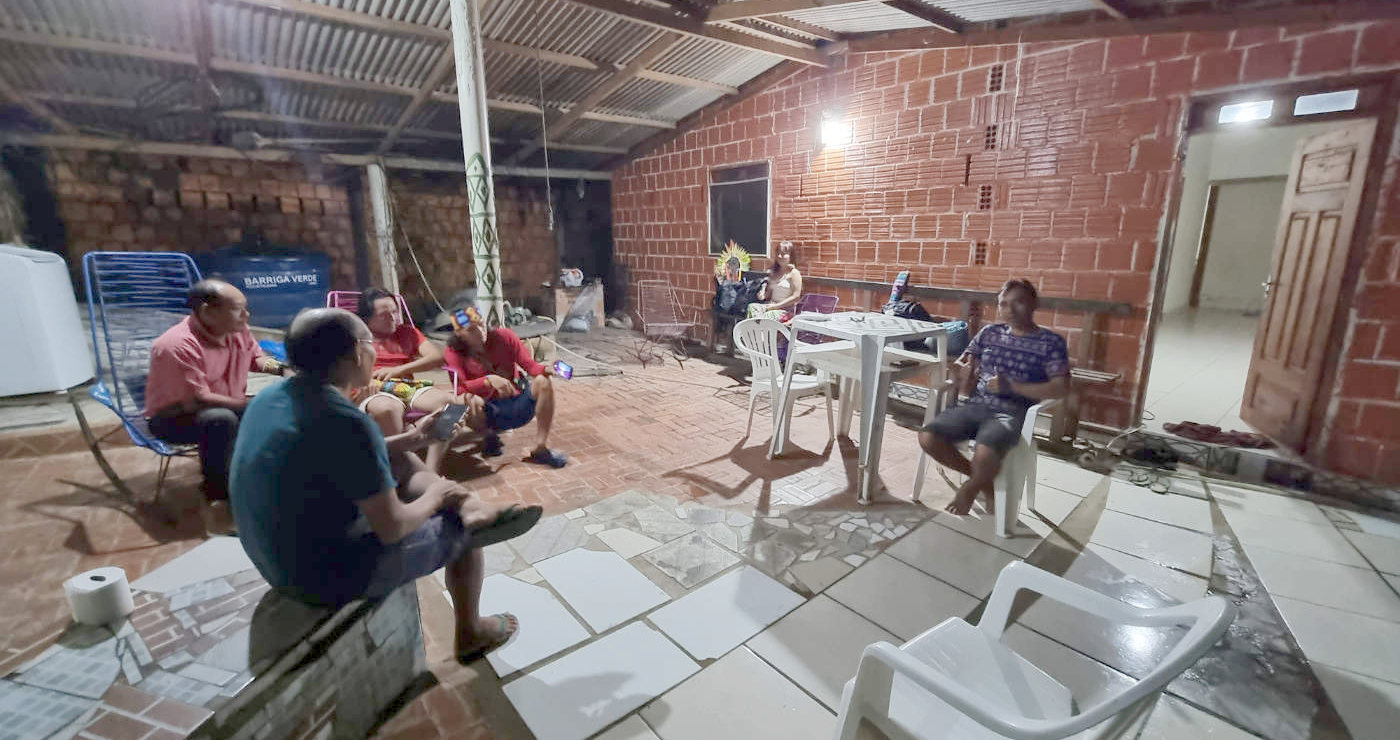
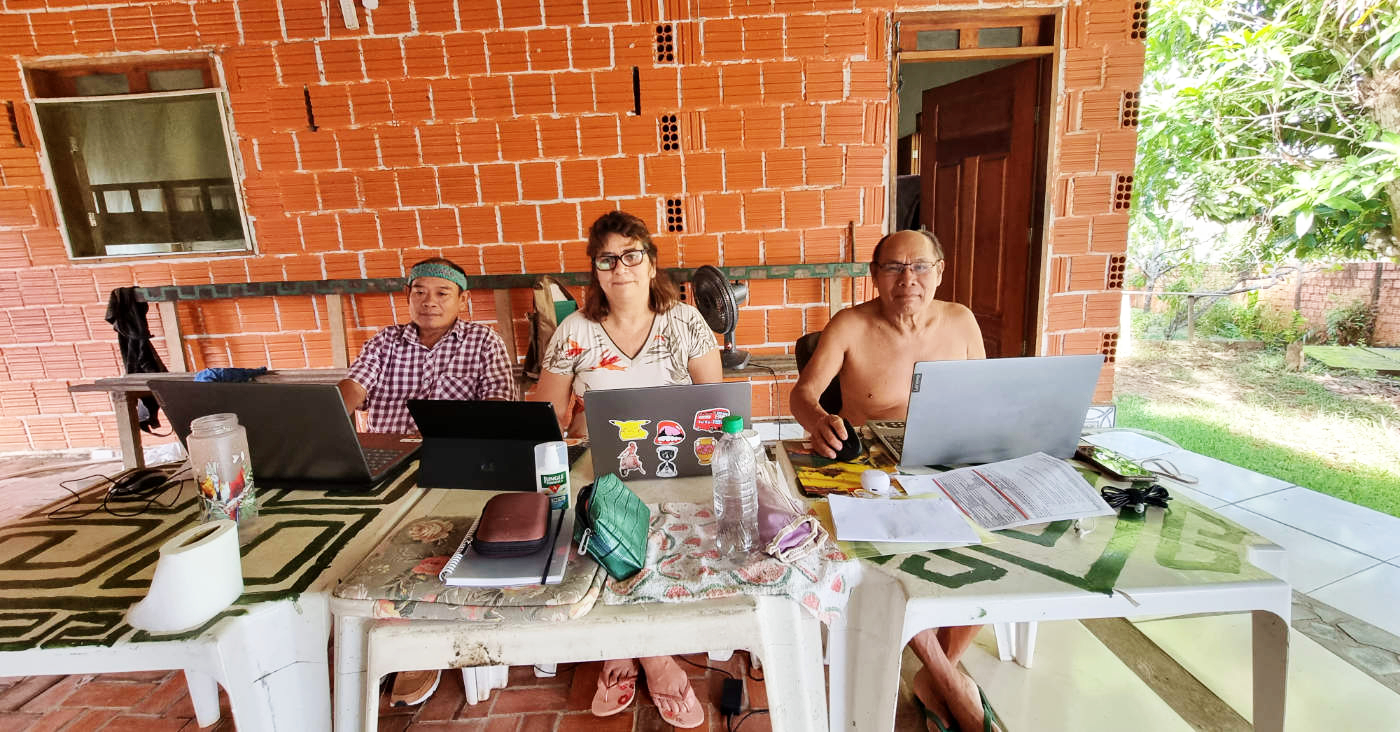
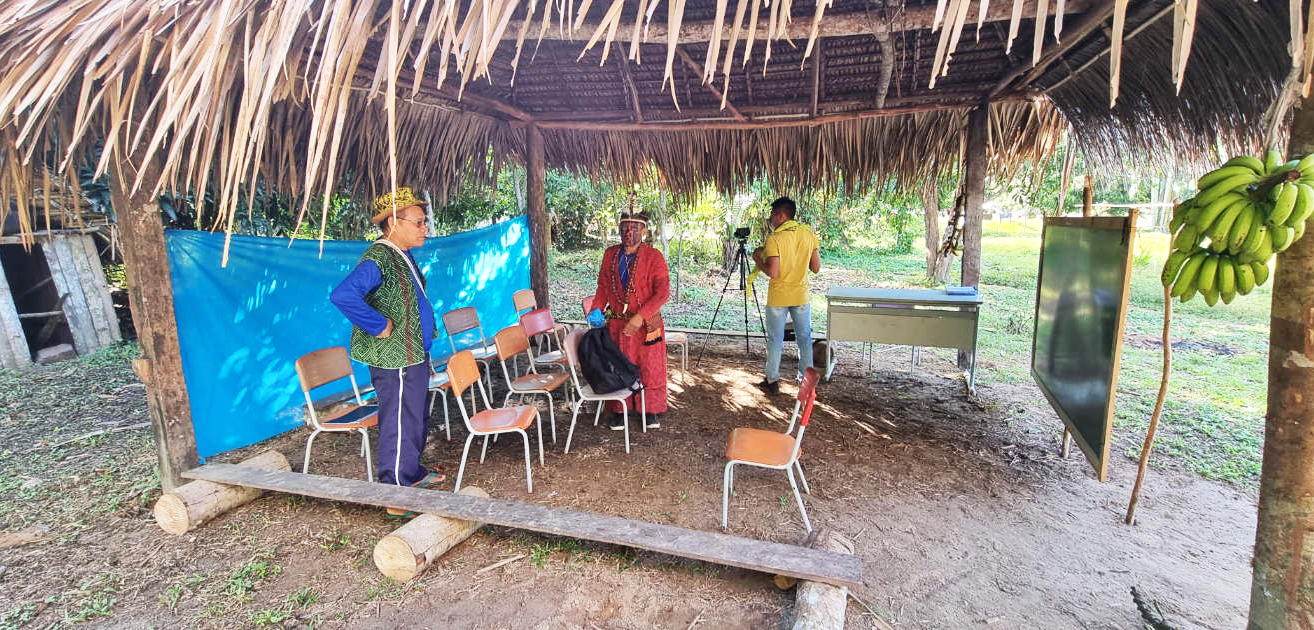
  • Methodology: Our research employs a combination of tasksethnographic research, and linguistics data to investigate the relationships between timenumber, and space. This interdisciplinary approach ensures that we capture both the cognitive processes and the cultural contexts that shape how these communities perceive and interact with these fundamental concepts. By combining different methods, we aim to provide a comprehensive picture of how time, number, and space are understood in the selected communities.
  1. The Research Team
  • Principal Investigator: Vera Da Silva Sinha, Phd.
  • Research Colaborators: Silvine Barbato PhD; Wary Kamaiura, Phd and Joquim Kaxinawa, PhD.
  • Collaborating Institutions: Universidade de Brasilia
  1. Publications and Outputs
  • Scientific Papers: A list of scientific articles and papers published from the research.
    SILVA SINHA, V, da. Sampaio, W. Sabino, W., Kaxinawa, J. Amondawa. (2024). A Construção Social de Tempo baseado em Eventos em Amondawa, Awetý, Kamaiurá e Huni Kuĩ. Revista Brasileira de Linguística Antropológica. https://periodicos.unb.br/index.php/ling/article/view/51931 https://doi.org/10.26512/rbla.v16i1.51931.
  • Conference Presentations
    07/2024 Learning about, learning from: exploring and debating the understanding of the number system in contact zones. 10th international conference of Language, Culture and Mind, Faculty of Arts, Masaryk University (Brno, Czechia) 11-14 July 2024.
    07/2024. “Understanding exact large number is possible in Amazonian languages” Poster presentation at 46th Annual Meeting of the Cognitive Science Society) Rotterdam, 24-27 July 2024.
    11/2023 Number in transition from event-based time to metric time in Amazonian languages. American Association for Anthropology (AAA) & Canadian Anthropology Society (CASCA) Annual Meeting “Transitions”, Toronto.
    03/ 2021 Perspectivas amazônicas sobre o tempo e quantificação em cognição e comunicação no evento ABRALIN EM CENA: Linguagem & interculturalidade, realizado em edição online,  Porto Velho, Rondônia, Brazil.